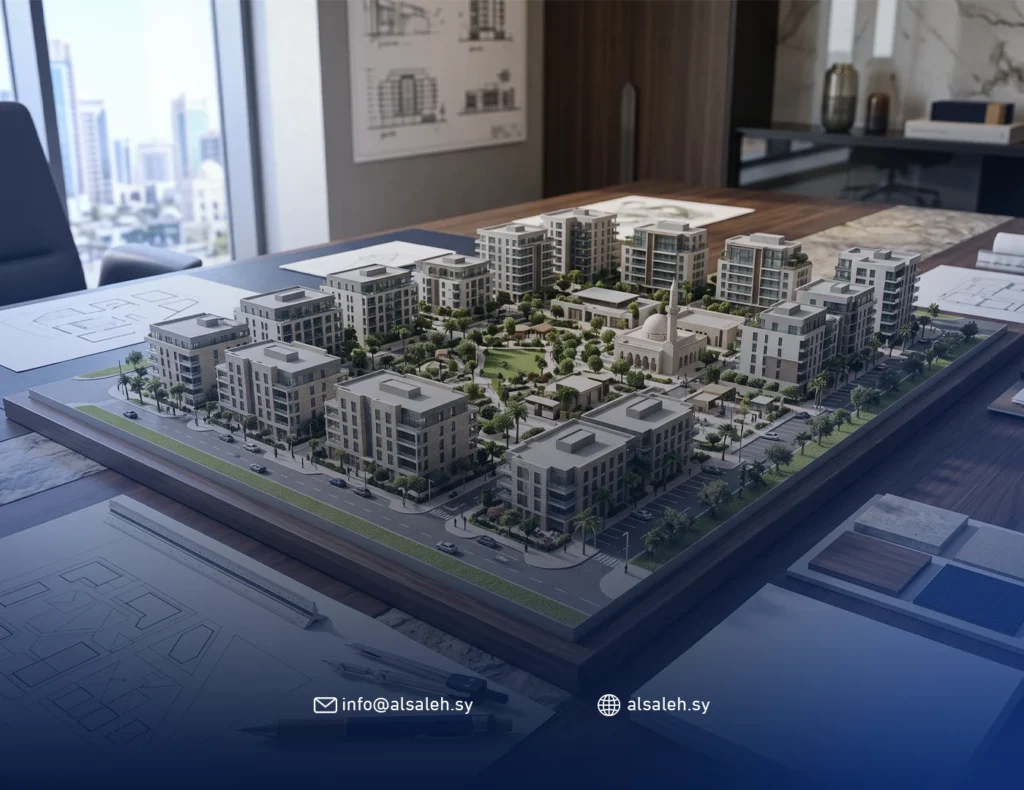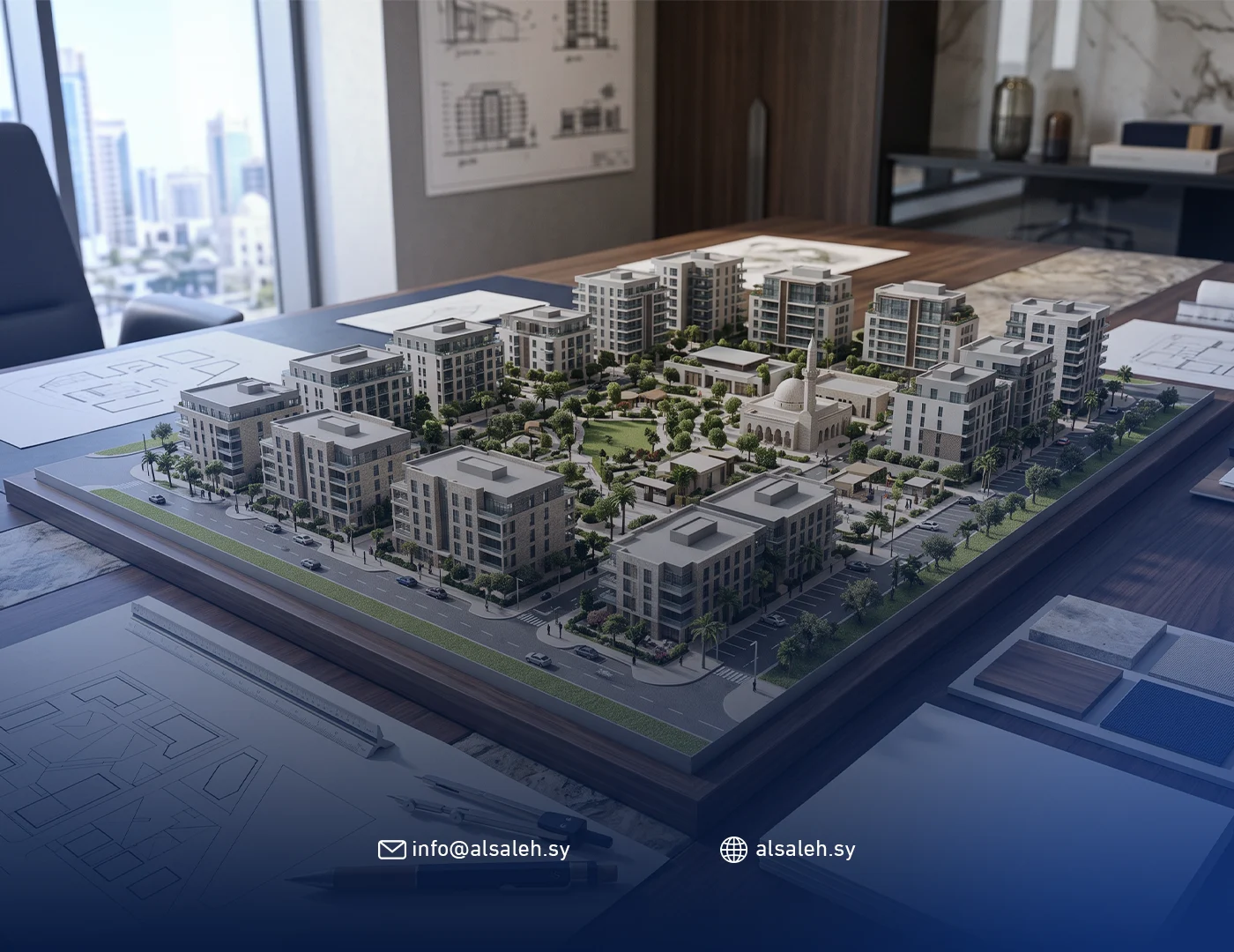

Buying off-plan — or pre-sale — means paying for a residential unit that has not yet been built, in exchange for a price lower than that of a finished unit. On the surface the equation is simple: you are buying a discount in exchange for carrying risk.
The right question is not “is buying off-plan good or bad?” but rather: does the discount I am getting match the risk I am taking on?
What Are You Actually Buying?
This is the fundamental distinction many buyers miss. When you buy a finished unit, you are buying an existing asset. When you buy off-plan, you are buying a contractual undertaking backed by a company.
In the second case, the value of what you are buying is determined neither by the quality of the drawings nor by the beauty of the marketing model, but by the developer’s capacity and commitment. Which is why evaluating an off-plan purchase is, at its core, an evaluation of the developer, not of the property.
The Real Advantages
- A lower price than a comparable finished unit.
- Scheduled payments tied to construction milestones, easing cash pressure.
- The ability to choose the unit — floor, orientation and size — before the options run out.
- The ability to adjust some internal details at an early stage, with some developers.
The Real Risks
Delay risk. The most common of all. Delay does not only cost you waiting; it costs you the alternative housing or investment throughout the delay period.
Total failure risk. The project stops. This is not a theoretical scenario in the local market; there have been cases of projects offered previously that were never completed.
Specification change risk. Delivery to a lower standard than promised — which happens precisely when specifications are described in the contract in general terms.
Legal status risk. The most serious of all: selling on land with an unstable legal position, or before the building permit has been issued.
Inflation and cost risk. Rising building material costs may push a thinly financed developer to halt work or to demand price adjustments.
Nine Questions Before You Sign
- Has the building permit been issued? Ask to see it. “In progress” is a negative answer.
- Who is the registered owner of the land? And is it the developer or another party?
- Are there annotations or encumbrances on the property register? Ask for a recent registry extract.
- How many projects has this developer actually delivered? Names, locations and dates.
- Have they met handover dates before? Speak to previous buyers directly.
- How are payments tied to construction milestones? Payment linked to progress is far better than payment linked to dates.
- What is the ownership transfer mechanism and when does it happen? And what legal protection covers your right in the interim?
- What happens in the event of delay? The answer must be a clause in the contract, not a verbal promise.
- What happens if you want to withdraw? What is the refund percentage and on what terms?
What the Contract Must Contain
An off-plan purchase contract that does not include the following clauses is an incomplete contract:
- A precise description of the unit: unit number, floor, net and gross area, orientation.
- A detailed specification schedule as a signed annex: tiling, paint, aluminium, sanitary ware, electrics. “Luxury finishing” is not an acceptable specification.
- A specific handover date with day, month and year — not “during 2029”.
- A delay compensation clause with a clear calculation mechanism.
- The ownership transfer mechanism, its timing and both parties’ obligations towards it.
- A termination mechanism and refund terms for both parties.
- The dispute resolution reference and the competent judicial authority.
- Formal registration of the contract with the competent authority in the proper manner — not merely a private agreement between two parties.
Five Warning Signs That Mean Stop
- Time pressure: “the offer ends today”. A serious project does not sell by rushing you.
- Refusing to give you a copy of the contract to review before signing.
- Vagueness in the specifications or refusal to attach a detailed schedule.
- A price far below the market with no comprehensible reason. An unexplained discount is not a gift; it is a risk indicator.
- Difficulty obtaining a simple piece of legal information — such as the name of the land’s registered owner.
When Is Buying Off-Plan a Smart Decision?
When the following four conditions are met together, not just some of them:
- A developer with a documented, verifiable delivery record.
- Land with a clean legal status and a building permit already issued.
- A detailed contract containing the clauses listed above.
- A personal time horizon that can absorb a possible delay without harming you.
In the absence of any one of these four, the price discount is not enough to justify the risk.
Learn how we contract | Contact us to discuss a specific project